Preventive Maintenance
Toolbox Talks
Equipment & Materials
This page refers to Doc. No. TBT_EQP_0016
Regular preventive crane maintenance ensures equipment is safe for operation. This reduces the risk of crane failure, minimizes downtime and extends the lifespan of the cranes.
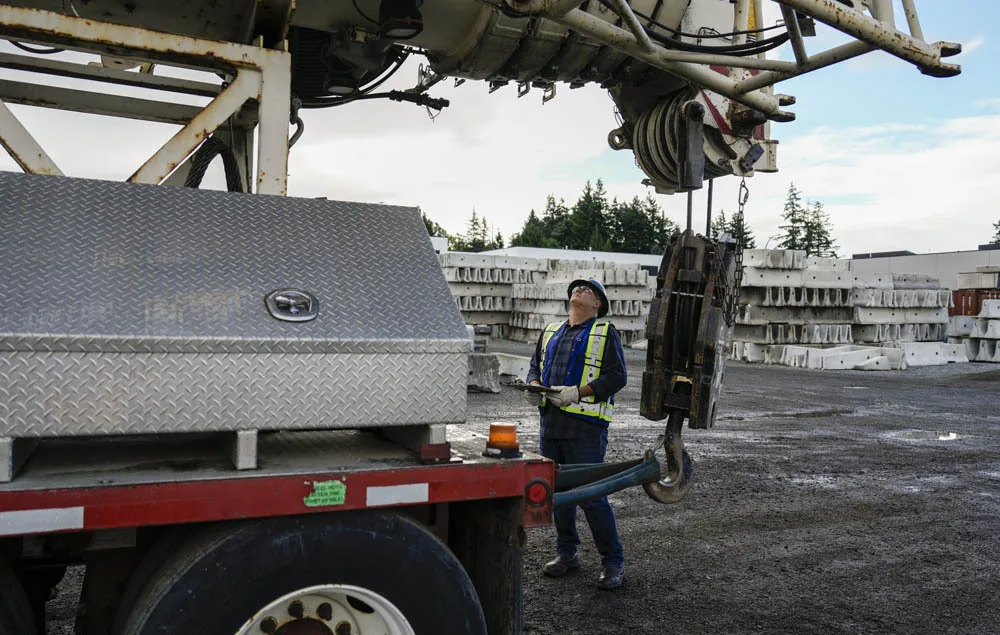
Key Components of Preventive Maintenance
- Scheduled Inspections: Follow the manufacturer’s maintenance schedules for essential components like brakes, structural components, motors, hydraulics, and electrical systems.
- Lubrication and Cleaning: Regularly lubricate moving parts to reduce wear, and clean equipment to prevent build-up that may lead to malfunctions or hide damage.
- Repair/Replacement of Worn Parts: Identify and repair or replace worn or damaged parts to avoid costly breakdowns and ensure continued safe operations.
Benefits of Preventive Maintenance
- It reduces the risk of equipment failure and potential hazards to operators, crew, and the public.
- It keeps equipment in top condition, improving productivity and reliability.
- It prevents costly emergency repairs and extends the lifespan of equipment.
Responsibilities
Operators: Perform daily inspections, noting any visible issues and reporting them before operation.
Maintenance Personnel: Conduct regular, thorough inspections and repairs as per the preventive maintenance schedule, maintaining detailed records.
Supervisors: Verify that maintenance activities are completed, equipment is safe to operate, and log records are up to date.
Safe Work Practices
- Ensure manufacturer’s specifications are followed.
- Inspect equipment at the start of each shift, checking operational items such as brakes and controls.
- Additional inspections may be required if site or environmental conditions change.
- Adhere to the service intervals and procedures specified in the equipment’s manual.
- Remove defective equipment from service promptly, lock it out to prevent inadvertent operation, and ensure repairs are done by qualified personnel.
- Keep accurate logs of inspections, repairs, and part replacements to ensure compliance and traceability.
References
Occupational Health and Safety Regulation Part 14, Sections 14.13, 14.14, and 14.71