Joint Health and Safety Committees
Joint health and safety committees (or joint committees for short) provide excellent opportunities for crane operators to work with management to improve workplace health and safety.
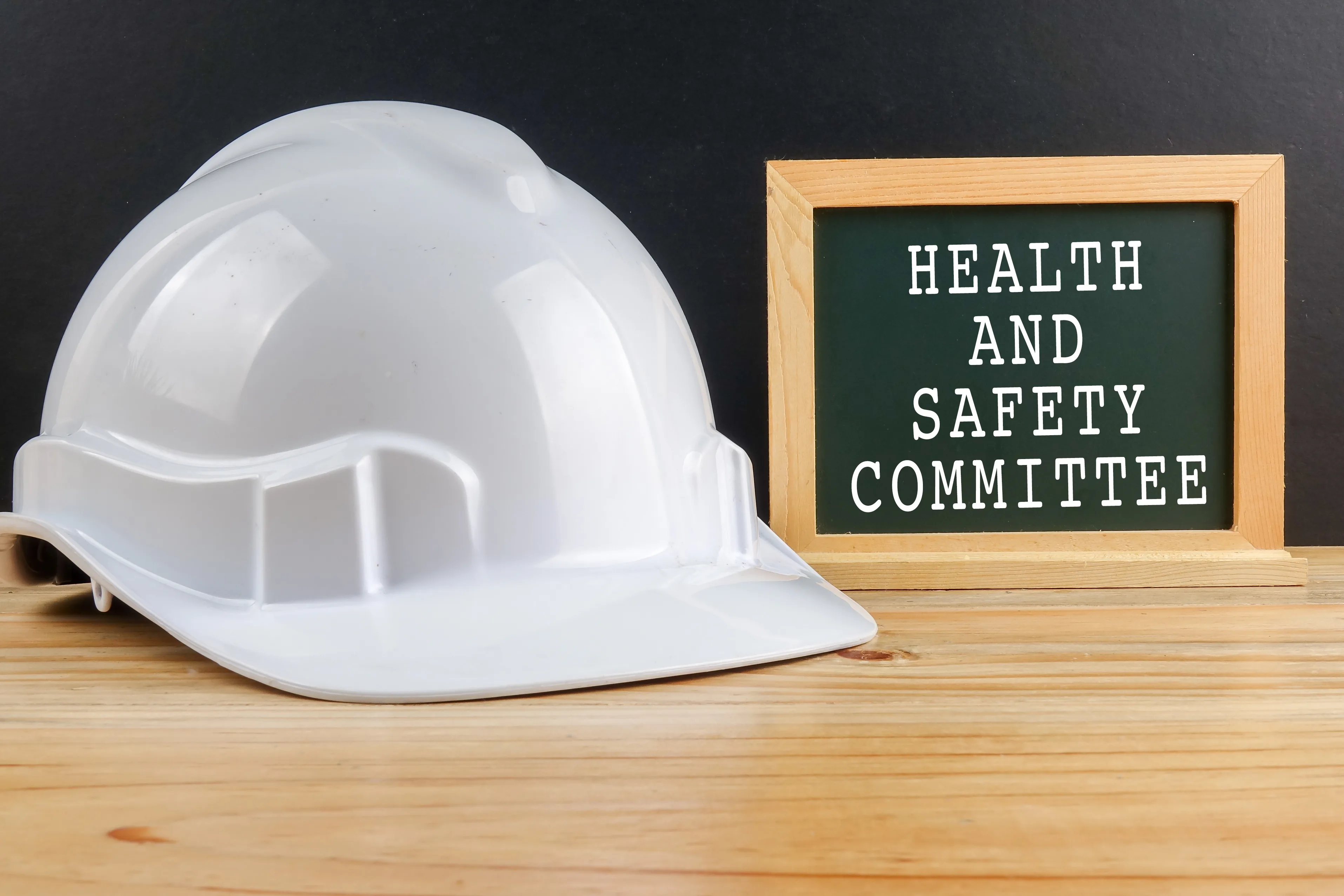
Purpose of Joint Committees
The purpose of the joint committee is to help prevent injuries and illnesses in the workplace by:
- Promoting safety awareness among workers
- Discussing health and safety concerns from crane operators and other workers
- Ensuring equipment and workplace inspections are completed regularly
- Identifying hazards in a timely and effective manner
- Advising the employer on effective ways to respond to hazards
- Reviewing data on workplace injuries, illnesses, property damage, and near misses and recommending prevention measures
- Participating in incident investigations and following up on recommended corrective actions to ensure results
- Developing recommendations to improve workplace health and safety
- Promoting compliance with legal requirements for workplace health and safety
Legal Requirements for Joint Committees
WorkSafeBC requires employers to establish a joint committee in any workplace that regularly employs 20 or more workers. Committees must include representatives from both workers and the employer.
The committee supports the right and duty to ensure a healthy and safe workplace. The members of committees have the right to mandatory training and annual education leave.
Evaluation of Joint Committees
Every year, the employer must conduct a written evaluation of the joint committee. The goals of the evaluation are to:
- Determine whether the committee follows the requirements of the Workers Compensation Act, the OHS Regulation, and crane operations standards.
- Assess whether the committee has been effective in fulfilling its role.
Evaluations should also identify improvements to be considered and implemented.
References
Occupational Health and Safety Regulation Part 3, Section 3.26